
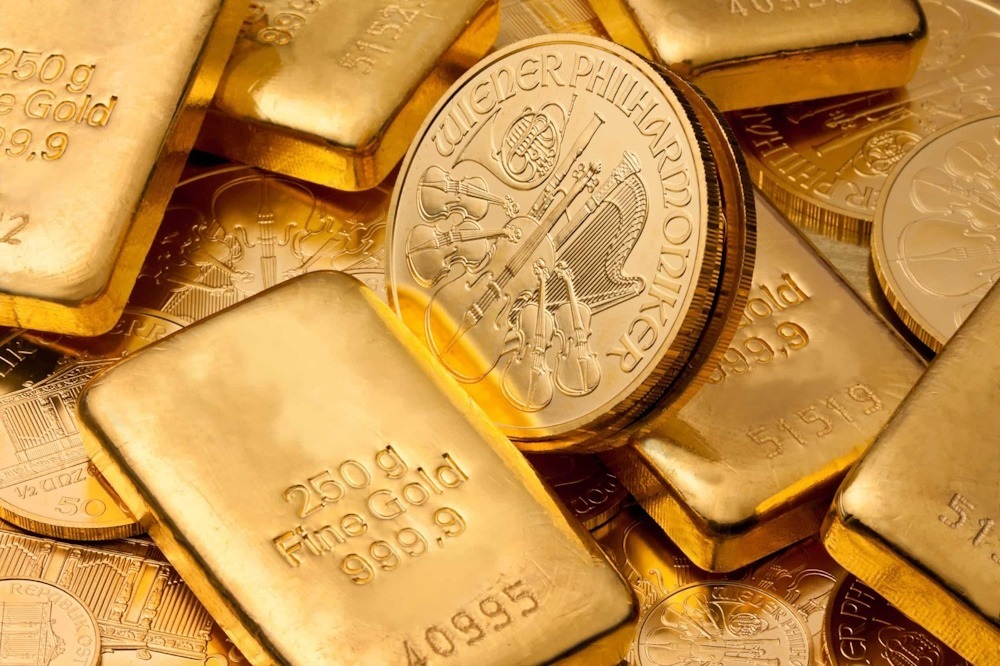
Following a short intermission, gold has surged back into prominence. Spot prices are approaching the psychologically significant $5,000 per ounce mark, while Indian prices have surpassed Rs 1,50,000 per 10 grams last week—indicative of both global trends and local currency fluctuations. Year-to-date, bullion has increased by over 12%, highlighting the rapid shift in sentiment towards safe-haven assets. The recent rally in global gold prices illustrates a significant convergence of geopolitical tensions, uncertainties in trade policy, and a noticeable shift in investor preferences away from U.S. assets. A significant catalyst has been U.S. President Donald Trump’s revived initiative to obtain Greenland, which has intensified into a comprehensive diplomatic clash with Europe. Trump’s assertions of “no going back” regarding Greenland, along with threats of tariffs aimed at European nations opposing U.S. ambitions, have introduced significant volatility into financial markets. The prevailing tensions have significantly impacted risk sentiment, propelling gold to unprecedented levels exceeding $4,950 per ounce as investors gravitate towards hard assets in response to a deteriorating geopolitical landscape.
This episode’s tariff dimension has proven to be particularly significant. In several instances, Trump indicated forthcoming tariff measures aimed at significant European economies unless the U.S. was allowed to obtain Greenland. These threats have rekindled concerns regarding a potentially disruptive transatlantic trade conflict, exerting pressure on the U.S. dollar and heightening the demand for gold as a safe haven. As markets adjusted to the likelihood of increasing tariffs, investors swiftly shifted their capital from risk assets such as equities and, in certain instances, even U.S. Treasuries, towards gold, thereby bolstering the metal’s upward trajectory. Concurrently, the developments in Iran have introduced an additional dimension of geopolitical tension. Anti-government protests, U.S. military posturing, and the risk of broader regional confrontation have intensified global uncertainty. Increased tensions related to Iran have traditionally led to an uptick in safe-haven investments, and recent events reinforce this trend. Expectations are that gold may appreciate further should tensions with Iran escalate.
The confluence of these shocks has further expedited a discernible transition away from U.S. assets. Instances of “Sell America” sentiment reemerged as investors scrutinized the stability of U.S. policy direction in light of tariff threats, geopolitical tensions, and pressures on Federal Reserve autonomy. In recent sessions, U.S. equities, bonds, and the dollar faced simultaneous pressure, whereas gold ETFs experienced significant inflows. This realignment highlights a more extensive market reevaluation of U.S.-associated risk and reinforces the argument that the current gold surge is primarily driven by safe-haven demand rather than cyclical influences. The combination of the Greenland controversy, tariff risks directed at Europe, turbulence related to Iran, and a shift in investor focus away from U.S. exposure has created a significant level of uncertainty. This has propelled gold to unprecedented heights, solidifying its role as the favored safe haven in the face of escalating geopolitical tensions and policy-induced instability. Rising geopolitical tensions and the increasing probability of negative or slightly positive real interest rates are set to significantly influence the trajectory of gold in the coming year. Ongoing tensions, including trade disputes linked to Greenland and broader conflicts involving Europe, Russia, and the Middle East, are sustaining safe-haven demand, driving gold consistently toward record highs.
In the realm of macroeconomics, real interest rates continue to serve as a pivotal factor. As inflation-adjusted yields decline, particularly when they enter negative territory, gold gains an advantage due to a diminished opportunity cost relative to interest-bearing assets. The prevailing inflation dynamics and the divergence in central-bank policies indicate that real yields are likely to remain compressed, thereby sustaining consistent safe-haven flows. Research indicates that negative or subdued real rates historically enhance gold’s relative appeal as investors pursue safeguards against currency debasement and monetary uncertainty. India’s gold market is experiencing an upward trajectory, driven by a confluence of global and domestic influences. The robust international market, coupled with a historically weak Indian rupee, has markedly elevated local gold prices, driving domestic rates to unprecedented levels. Despite elevated prices, physical gold demand in India remains resilient, bolstered by wedding-related purchases and a value-conscious consumer mindset. Although jewellery volumes have experienced a moderation attributed to price sensitivity, demand remains resilient, driven by a transition towards lighter designs and a heightened exchange of pre-owned jewellery.
Simultaneously, there is a notable surge in investment demand, as evidenced by the remarkable inflows into gold ETFs. Indian gold ETFs achieved a record AUM, driven by a depreciating rupee, global uncertainties, and particularly poor performance in the equity markets. This signifies a fundamental change, as urban investors are progressively opting for paper gold instead of conventional physical assets as a means of diversifying their safe-haven investments. The outlook for gold in the current year appears favorable, bolstered by ongoing geopolitical uncertainties and the anticipation that real interest rates could either stay low or potentially turn negative. Persistent global flashpoints are driving an increase in safe-haven demand, as gold consistently reflects geopolitical risk while investors pursue security in times of instability. Concurrently, the prevailing real interest-rate landscape is becoming more advantageous for gold. Under these circumstances, gold is expected to maintain its strength over the year, though occasional corrections should not be discounted. Such pullbacks, however, are anticipated to be transient as long as geopolitical tensions endure and real yields stay subdued.