
Silver prices concluded the day with a slight decline of 0.2%, settling at Rs 267,962, as the market navigated ongoing geopolitical tensions alongside shifting expectations regarding monetary policy. Recent U.S. economic data has yielded a blend of indicators. Initial jobless claims decreased by 1,000 to 213,000 in early March, marginally under expectations and generally aligned with trends observed in recent weeks. In January 2026, the U.S. trade deficit experienced a significant contraction, narrowing to $54.5 billion, marking the smallest gap since October. This development indicates a positive shift in trade dynamics when contrasted with December’s revised figure of $72.9 billion.
Furthermore, U.S. housing starts experienced a robust increase of 7.2% month-on-month, reaching an annualised rate of 1.487 million units, which reflects ongoing strength in the housing market. In light of these indicators, the Federal Reserve is anticipated to maintain the current interest rates in the forthcoming meeting, as markets are presently factoring in merely one 25 basis point reduction later this year, likely around September.
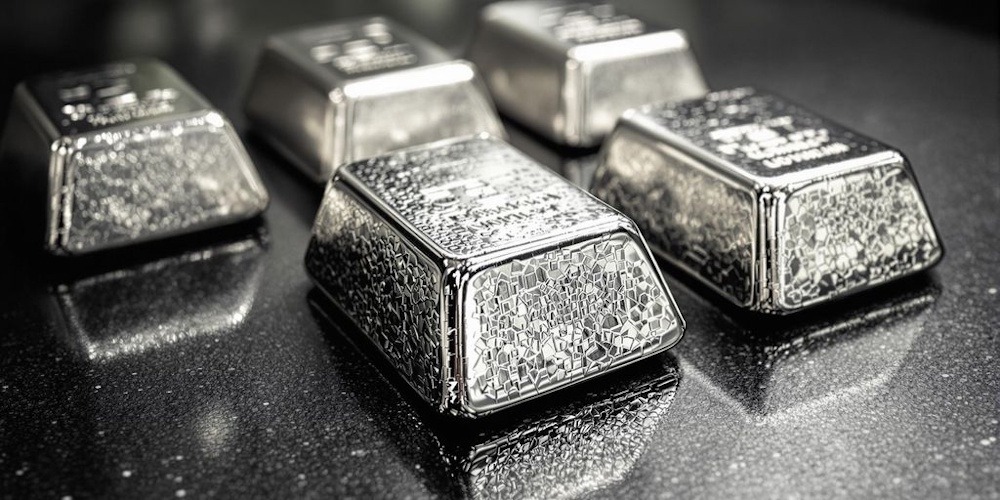
The ongoing constraints in physical availability on the supply side remain a focal point of interest. Silver inventories on the SHFE have declined to approximately 350 tonnes, marking the lowest level in nearly a decade. Simultaneously, the inventory in London vaults decreased by 2.4% month-over-month, totaling 27,065 tonnes, which corresponds to approximately 902,177 silver bars valued at $78.3 billion.
From a technical perspective, the market is experiencing renewed selling pressure, as evidenced by a 1.57% increase in open interest to 5,941 lots, alongside a price decline of Rs 529, indicating the entry of new short positions into the market. Immediate support is observed around Rs 264,445, and a breach of this threshold may lead to a decline towards Rs 260,925. On the upside, resistance is likely around Rs 273,215, and a sustained move above this level may pave the way for a test of Rs 278,465.