
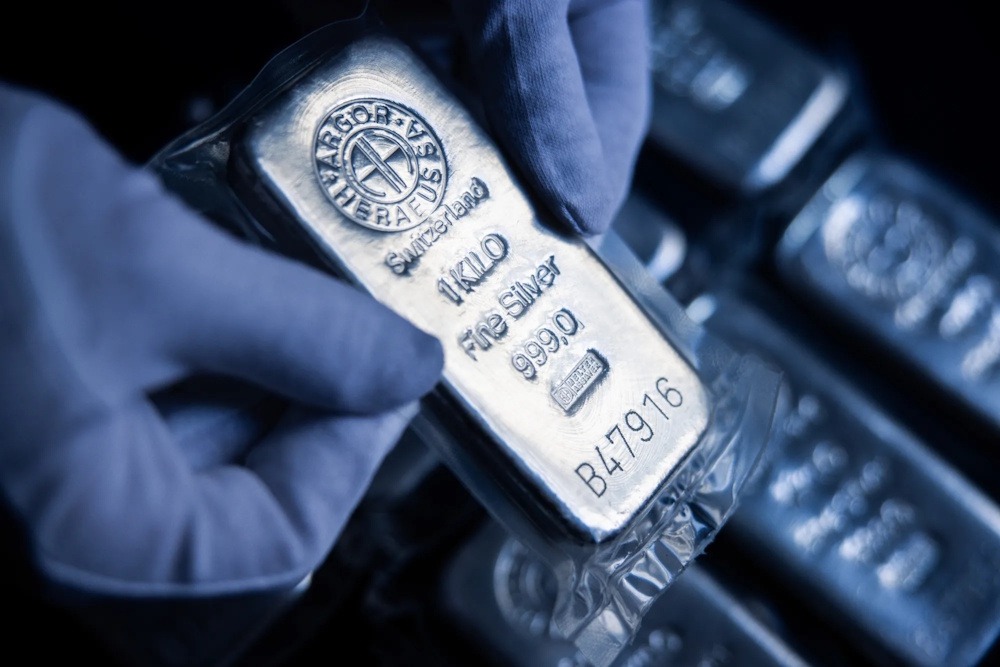
Silver prices concluded the session with a modest decline, finishing 0.42% lower at Rs 267,160. This movement was primarily influenced by the robustness of the U.S. Dollar Index and diminishing anticipations of imminent interest rate reductions from the Federal Reserve, which overshadowed the safe-haven demand associated with escalating tensions in the Middle East. Apprehensions regarding the potential impact of elevated energy prices on global economic growth and industrial demand have also influenced market sentiment.
Statements from Federal Reserve officials underscored a prudent perspective on monetary policy. Albert Musalem, President of the Federal Reserve Bank of St. Louis, stated that the current policy settings are deemed appropriate given that inflation persists above the target level. Meanwhile, Jeffrey Schmid of the Federal Reserve Bank of Kansas City highlighted that inflation remains a significant concern, despite the relative stability of the labor market.
Meanwhile, U.S. economic data presented a mixed picture, as consumer credit increased by $8.05 billion in January, while the economy experienced a loss of 92,000 jobs in February, contributing to the uncertainty surrounding growth prospects. Notwithstanding the recent price decline, supply conditions in the physical market continue to exhibit tightness. Silver inventories on the Shanghai Futures Exchange have decreased to approximately 350 tonnes, marking the lowest point since 2015 and indicating a significant reduction from the peak levels observed in 2021.
From a technical perspective, the market is experiencing long liquidation, as evidenced by a 2.47% decrease in open interest to 6,022, alongside a price decline of Rs 1,125. Silver exhibits immediate support at Rs 262,310, while further declines may test the level of Rs 257,460. On the upside, resistance is observed at Rs 270,445, and a breakout above this level could propel prices toward Rs 273,730.