
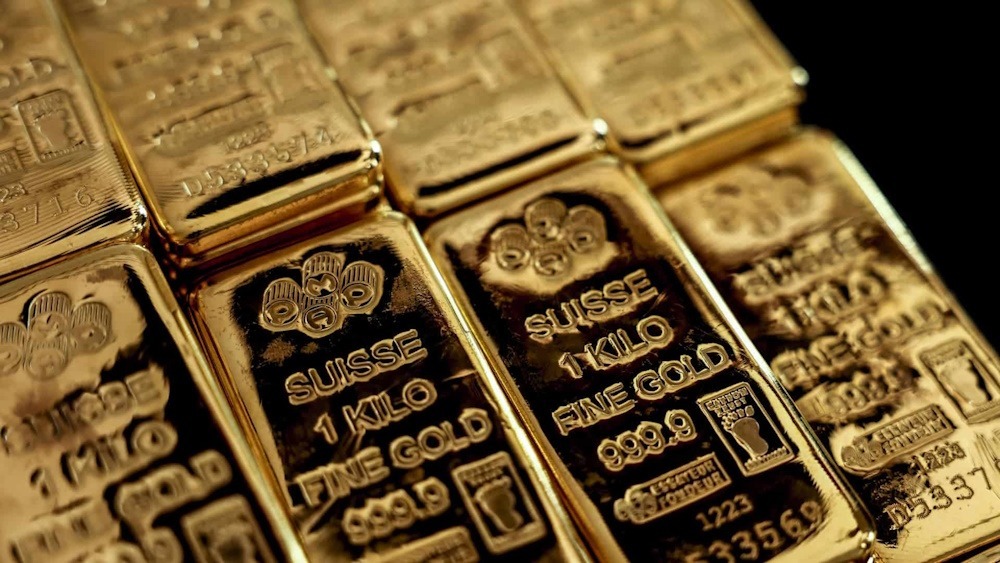
Gold prices experienced a notable rebound, closing 2.1% higher at Rs 150,761, bolstered by a weaker dollar and short-covering activities. Nonetheless, bullion is poised for its most significant monthly decline in more than 17 years, as persistently high energy prices suppress expectations for a U.S. rate reduction. Increasing oil prices, coupled with heightened tensions in the Middle East, have intensified inflation worries, leading markets to nearly eliminate expectations for any Federal Reserve easing in 2026. Fed Chair Jerome Powell expressed a prudent approach, highlighting the necessity to evaluate the wider economic implications of geopolitical disturbances.
On the physical front, demand trends exhibited a mixed pattern. India experienced a slight increase in purchasing interest alongside declining prices, yet the prevailing sentiment continued to be one of caution. In India, discounts have contracted to $61 per ounce, whereas premiums in China have decreased to a range of $14–$18, indicative of weakened demand. Other Asian hubs such as Hong Kong, Japan, and Singapore exhibited premiums that were relatively stable to weaker, suggesting a moderation in physical consumption throughout the region.
In the interim, the actions of central banks persist in supporting sustained demand over the long term. The World Gold Council reports that central banks in emerging markets are progressively engaging in the gold market, motivated by the need for diversification and geopolitical hedging. However, the high price levels may lead to a slight reduction in overall purchases this year.
From a technical perspective, the market indicates renewed buying interest, evidenced by a 3.1% increase in open interest, reaching 6,628 lots. Gold exhibits immediate support at Rs 149,260, with a potential downside test at Rs 147,765. Resistance is established at Rs 151,575, and a breakout above this threshold may propel prices toward Rs 152,395.