
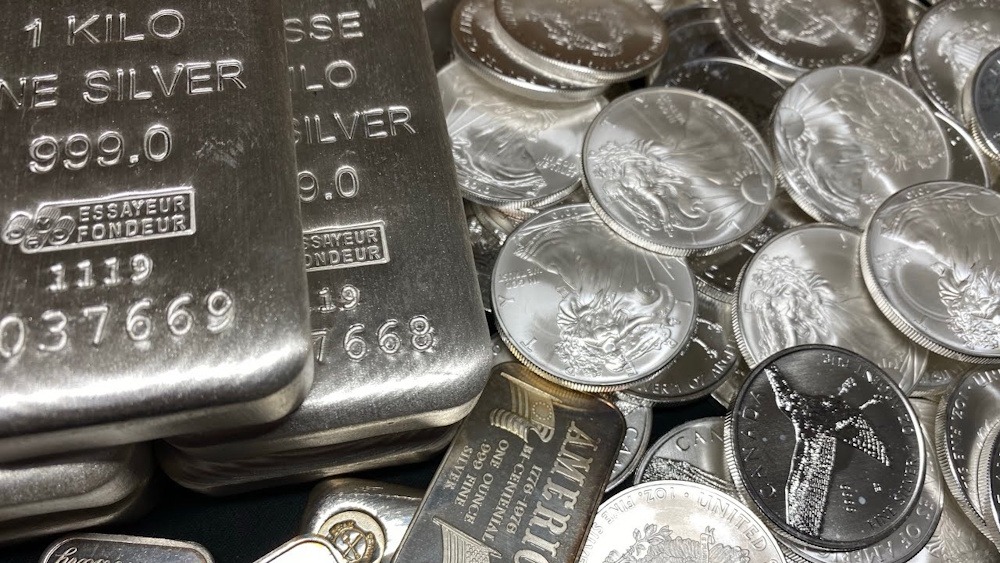
Silver experienced a notable recovery, closing up by 3.86% at Rs 252,725, influenced by ongoing supply limitations and a resurgence in demand from industrial consumers as well as investment inflows. The rally also indicated persistent safe-haven interest in light of geopolitical uncertainties, including the ongoing evaluation of US involvement in Venezuela and escalating tensions between China and Japan.
The macroeconomic indicators from the United States revealed a nuanced scenario: housing starts decreased by 4.6% month-on-month, reaching 1.246 million units, marking the lowest level since the pandemic-induced downturn of 2020, whereas building permits experienced a slight decline of 0.2%. The labor market exhibited a slight softening, as unemployment decreased to 4.4% in December 2025, accompanied by payroll growth of 50,000, which fell short of expectations.
On the supply side, silver holdings in London vaults increased to approximately 27,818 tonnes by the end of December, whereas Chinese stockpiles fell to their lowest levels in a decade, following record exports surpassing 660 tonnes in October. The influx of these flows has alleviated local shortages; however, it has also heightened concerns regarding global liquidity dynamics. HSBC has notably adjusted its silver price forecast upward for 2026 and 2027, attributing this change to a declining US dollar and slight supply-demand imbalances, while also warning that price fluctuations persist.
From a technical perspective, the market is experiencing short covering, as evidenced by a 4.9% decline in open interest to 11,858 contracts, coinciding with a price increase of Rs 9,401. Immediate support is identified at Rs 245,490; a breach below this level may reveal Rs 238,250. On the upside, resistance is positioned at Rs 258,150, and a sustained move above this threshold would pave the way toward Rs 263,570.