
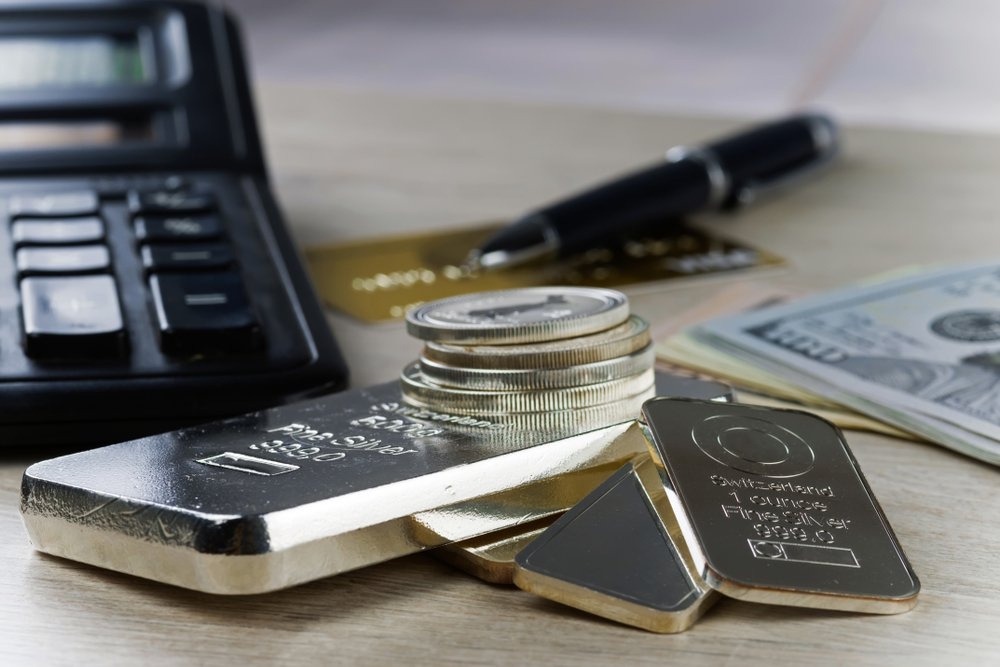
Silver prices experienced a notable increase, closing up 2.49% at Rs 249,892. This rise was bolstered by disappointing U.S. labour market data and growing anticipations of a more accommodative monetary policy. Recent data reinforced the narrative of a slowdown, as ADP reported a mere 22K private-sector jobs added in January, significantly below expectations. Meanwhile, JOLTS job openings declined to 6.54 million, indicating a cooling demand for labor. The recent indicators have bolstered market confidence regarding the Federal Reserve’s potential to initiate rate cuts, as traders are currently factoring in a minimum of two 25-basis-point reductions in 2026.
Geopolitical factors provided additional backing, as the White House reaffirmed that diplomacy continues to be President Donald Trump’s favored strategy regarding Iran, while simultaneously maintaining military options as a possibility. In 2025, China exported approximately 5,100 metric tons of silver, marking the highest level since 2008, despite domestic stockpiles declining to their lowest levels in a decade.
This drawdown has prompted apprehensions regarding global liquidity, especially as borrowing costs remain high in London, even in the context of increasing vault holdings. Fundamentally, sentiment became more positive following Citi’s revision of its 0–3 month silver forecast to $150 per ounce, while sustaining a bullish outlook in comparison to gold.
The market is experiencing new buying activity, as evidenced by a 1.17% increase in open interest coupled with a price rise of Rs 6,077. Silver establishes a support level at Rs 235,620; a decline beneath this threshold could see a test of Rs 221,350. Conversely, resistance is identified at Rs 257,725, with a potential breakout paving the way for an upward movement towards Rs 265,560.