
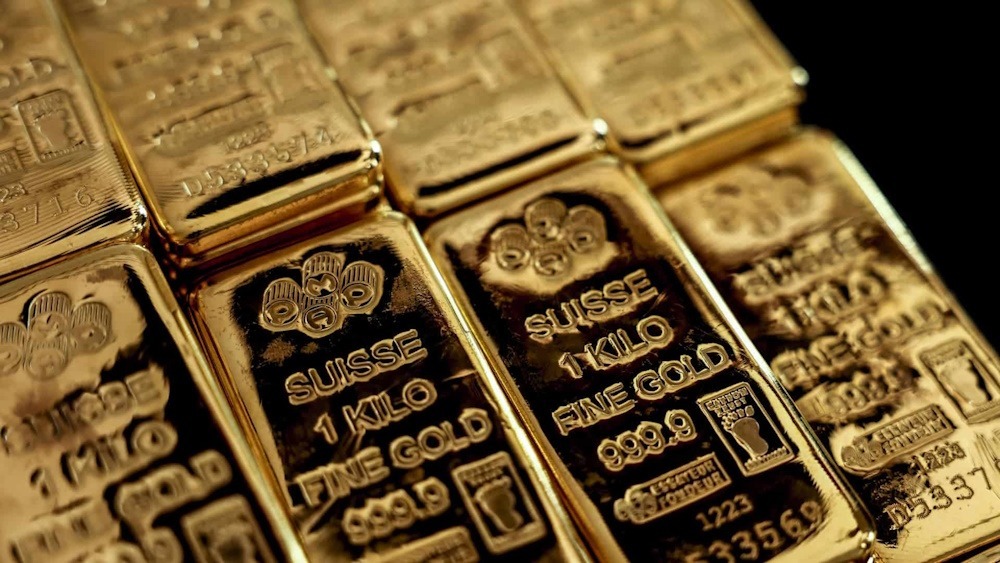
Gold prices experienced a significant downturn, decreasing by 5.27% to close at Rs 1,44,954, influenced by a hawkish posture from the Federal Reserve that adversely affected market sentiment. Although rates remained steady, policymakers indicated that any potential rate reductions would be postponed until there is more definitive evidence of a decline in inflation.
This development resulted in an increase in yields, thereby diminishing the attractiveness of non-yielding assets such as gold. Despite the increasing tensions in the Middle East, characterized by missile strikes on critical energy infrastructure that bolstered demand for safe-haven assets, the concurrent rise in oil prices has exacerbated inflationary worries, thereby constraining the potential for gold’s appreciation.
In the physical market, demand trends exhibited a mixed pattern. In India, discounts have expanded to as much as $83 per ounce, marking the most significant gap in nearly a decade, indicative of subdued domestic demand. In contrast, China maintained robust buying interest, as premiums increased to $20–$30 per ounce, while the central bank prolonged its gold purchasing streak to 16 months. In January, there was a deceleration in central bank purchases; however, ongoing geopolitical uncertainty is anticipated to sustain long-term accumulation strategies.
From a technical perspective, the market is experiencing long liquidation, characterized by a significant decline in open interest in conjunction with decreasing prices. Immediate support is identified at Rs 1,39,900, with a breach below this level likely leading to a decline in prices toward Rs 1,34,845. On the upside, resistance is positioned at Rs 1,51,230, and a sustained move above this level could propel prices toward Rs 1,57,505.