
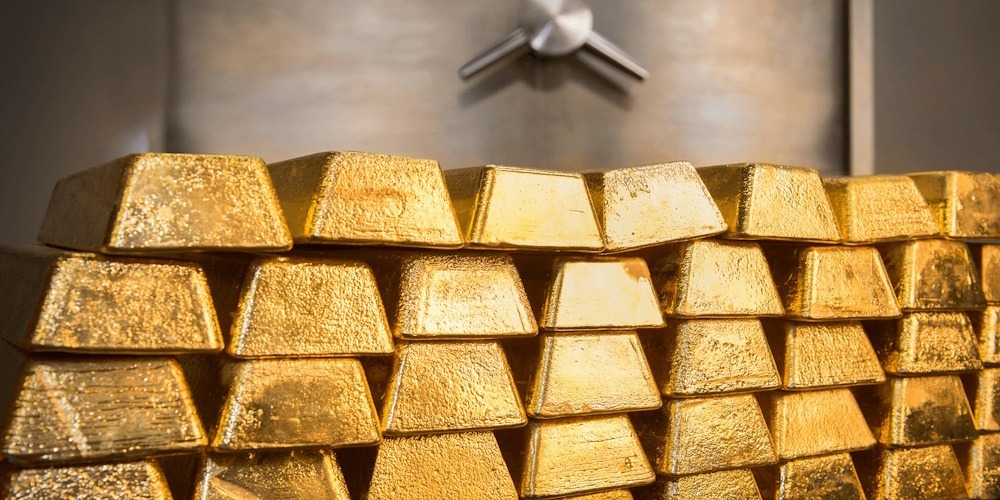
Gold prices experienced an increase of 1.44%, reaching Rs 1,29,504, propelled by growing optimism regarding a potential rate cut by the Federal Reserve in December. A series of dovish remarks from Federal Reserve officials, coupled with disappointing delayed economic indicators, has bolstered market expectations. Comments from Kevin Hassett—viewed as a leading candidate to replace Jerome Powell—concur with President Trump’s endorsement for easing, which further enhanced market sentiment.
Consequently, markets currently attribute more than an 85% likelihood to a 25 basis points reduction next month, a significant increase from the 30% observed just a week prior, while also factoring in three additional cuts by the end of 2026. Gold is poised to achieve its most significant annual performance since 1979, bolstered by substantial central-bank purchases and strong inflows into exchange-traded funds. Nevertheless, elevated prices have suppressed retail demand throughout key Asian centers. In India, despite the ongoing wedding season, dealers found it necessary to provide discounts reaching $18 per ounce, a reduction from the previous week’s $21.
In China, demand has continued to weaken after the elimination of a VAT exemption on specific gold purchases, with prices fluctuating from minor premiums to discounts reaching $16 per ounce. Singapore and Hong Kong experienced modest premiums of $2.50 and $1.80, respectively. As reported by the World Gold Council, global gold demand experienced a year-over-year increase of 3%, reaching 1,313 tonnes. This growth was primarily driven by a notable 17% rise in bar and coin demand, alongside a remarkable 134% increase in ETF inflows.
From a technical perspective, there is clear evidence of fresh buying, as open interest has increased by 20.44% to 12,131, accompanied by a price rise of Rs 1,837. Support is positioned at Rs 1,28,400, with a possibility of testing Rs 1,27,290 if breached. Resistance stands at Rs 1,30,110, and a breakout could lead to a target of Rs 1,30,710.