
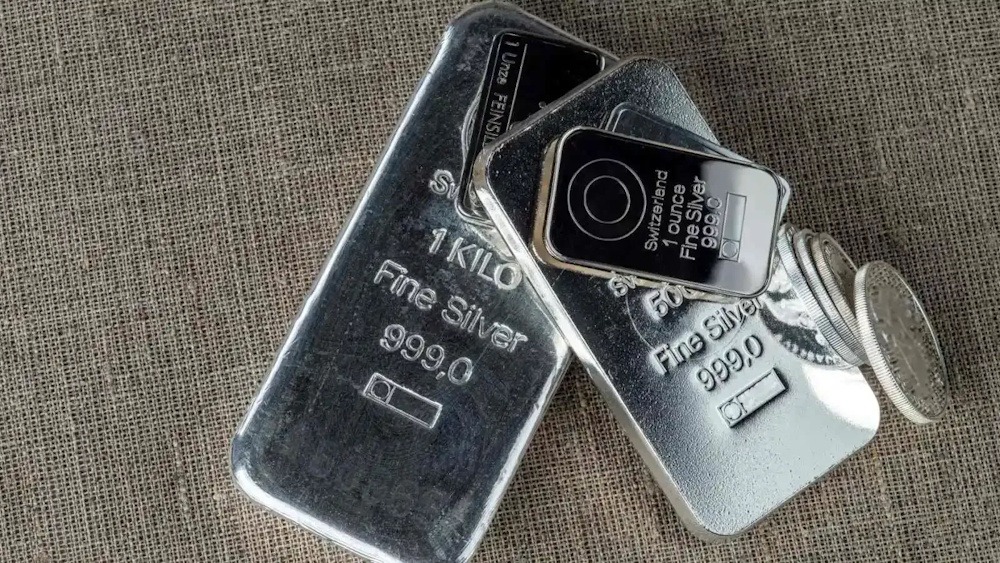
Silver prices in India experienced an uptick, bolstered by a depreciating dollar and a resurgence in bargain hunting, all amidst ongoing geopolitical uncertainties. Gold experienced an upward movement, reflecting the gains observed in the wider precious metals sector. On MCX, the price of silver has increased by 2.3%, reaching a day’s high of Rs 2,25,014 per kg, while the rate of gold has risen by 1%, hitting an intra-day high of Rs 1,40,900 per 10 grams. In the international markets, spot silver increased by 1.1% to $68.80 per ounce, while spot gold also saw a rise of 1.1% to $4,428.30 per ounce as of 0228. Nonetheless, in spite of the day’s advancements, gold has experienced a decline of approximately 1.3% this week, indicating persistent downward pressure on bullion prices. U.S. gold futures for April delivery also advanced 1.1% to $4,423.40. Other precious metals exhibited notable movements, with platinum increasing by 2.1% to $1,865.13 and palladium advancing by 2.7% to $1,389.80, reflecting a broader robustness in the metals sector. The resurgence in silver and gold can be attributed primarily to a weakening U.S. dollar, which rendered dollar-denominated commodities more accessible for holders of alternative currencies, consequently enhancing demand.
The recent uptick in prices can be attributed to bargain hunting following recent declines. In the interim, geopolitical developments persist in shaping sentiment. U.S. President Donald Trump signaled that the suspension of strikes against Iran’s energy infrastructure would be prolonged into April, characterizing the current negotiations as advancing positively. Nevertheless, an Iranian official dismissed the U.S. proposal aimed at resolving the conflict, characterizing it as “one-sided and unfair,” which underscores the prevailing uncertainty regarding any possible resolution. Nevertheless, the overarching trend continues to face challenges stemming from increasing energy costs and apprehensions regarding inflation. Brent crude maintained its position above $105 per barrel, as the persistent conflict has significantly hindered shipments via the Strait of Hormuz, a crucial passage that accounts for nearly one-fifth of global crude oil and LNG flows. Heightened oil prices are anticipated to increase transportation and manufacturing expenses, consequently exacerbating inflationary pressures on a global scale. Gold has long been regarded as a safeguard against inflation; however, the prevailing conditions pose a dilemma, as rising inflation concurrently fuels anticipations of stricter monetary policy and heightened interest rates. Elevated interest rates generally diminish the attractiveness of non-yielding assets such as gold and silver, constraining their potential gains even amidst economic uncertainty. This dynamic has been a significant contributor to the recent decline in bullion prices, even in the face of persistent geopolitical tensions. As gold and silver prices undergo a correction from their recent peaks, numerous investors are contemplating whether this downtrend will endure or if a recovery is imminent. The recent fluctuations in bullion markets have prompted apprehensions, particularly following pronounced movements influenced by global macroeconomic factors and geopolitical events.
Nonetheless, indications suggest that the most challenging period may have passed. A recent report indicates the potential for a “smart recovery” in gold and silver prices as geopolitical tensions subside and markets achieve stability. This indicates that the present weakness may represent a transient phase instead of a fundamental shift in the long-term trend. Concurrently, analysts are emphasizing that recent fluctuations in bullion prices have been intricately linked to changes in the dollar, crude oil, and inflation expectations. Hareesh V provided an analysis of the recent rebound in precious metals: “Gold experienced a nearly 4% increase on MCX, while silver saw a significant rebound, both influenced by a weaker US dollar and diminishing inflation worries amid a correction in crude oil prices. The recent decline in energy markets has moderated anticipations of rising global interest rates, thereby providing further backing to precious metals. In the interim, indications that the United States is seeking avenues to resolve the conflict with Iran have heightened demand for safe-haven assets, thereby enhancing the upward trajectory in bullion today. The recent increase in gold prices, as he notes, is associated with value buying following the significant correction observed previously. Investors seem to be entering the market at reduced levels, contributing to a temporary stabilization of prices. “Gold’s upside today appears to be fueled by value buying following recent sharp corrections, as appealing entry levels have sparked renewed demand in conjunction with short covering that has propelled prices higher,” Hareesh V noted.
Nonetheless, the short-term perspective continues to be prudent, even with the possibility of a rebound. Geopolitical developments and the easing of inflation pressures may continue to bolster bullion; however, significant challenges persist. Gold and silver may experience a modest near-term rebound; however, surpassing recent peaks appears challenging. While supportive geopolitics may bolster sentiment, a robust US dollar is expected to limit significant upside, resulting in relatively contained price movements for the time being,” he added. In essence, although the recent decline in gold and silver prices may seem alarming initially, fundamental factors indicate that a gradual recovery may be forthcoming. This phase may offer selective opportunities for investors, albeit with the understanding that volatility is expected to persist as a significant characteristic in the short term.