
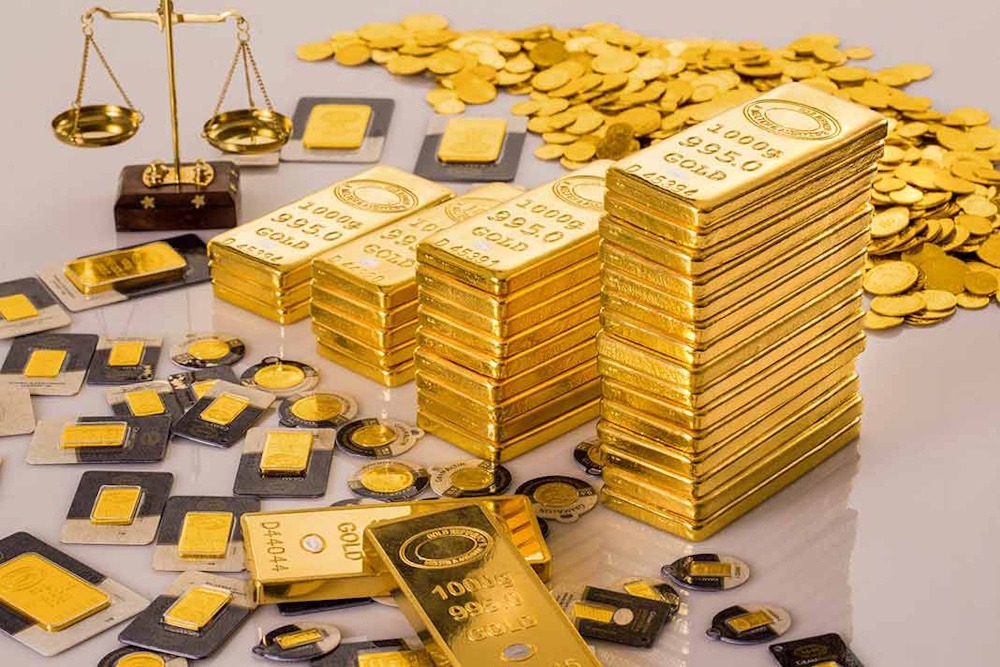
Gold prices experienced a notable rebound, increasing by 1.95% to close at Rs 153,708. This movement was underpinned by a depreciating dollar and a reduction in geopolitical tensions following Donald Trump’s suggestion that the conflict with Iran might de-escalate in the coming weeks.
Nonetheless, in light of this optimism, persistent high energy prices maintain inflationary pressures, resulting in markets predominantly dismissing the possibility of any U.S. Federal Reserve rate cuts in the current year. Jerome Powell adopted a prudent approach, underscoring that policymakers will evaluate the wider economic ramifications of the current tensions.
On the demand side, central banks persist in delivering robust foundational support. China has prolonged its gold acquisition for 16 straight months, and Brazil has markedly augmented its reserves, underscoring persistent institutional demand. The World Gold Council indicates that central bank demand continues to be robust, albeit with a slight moderation attributed to rising prices. Physical demand trends exhibit a mixed landscape, as India experiences a slight uptick at reduced prices, whereas the narrowing of Chinese premiums suggests a decline in buying enthusiasm.
The market is currently experiencing short covering, as evidenced by a 0.32% decrease in open interest, which now stands at 6,607 lots. Gold exhibits immediate support at Rs 151,680, with additional downside anticipated at Rs 149,660. On the upside, resistance is positioned at Rs 155,110, and a breakout above this level could propel prices toward Rs 156,520.