
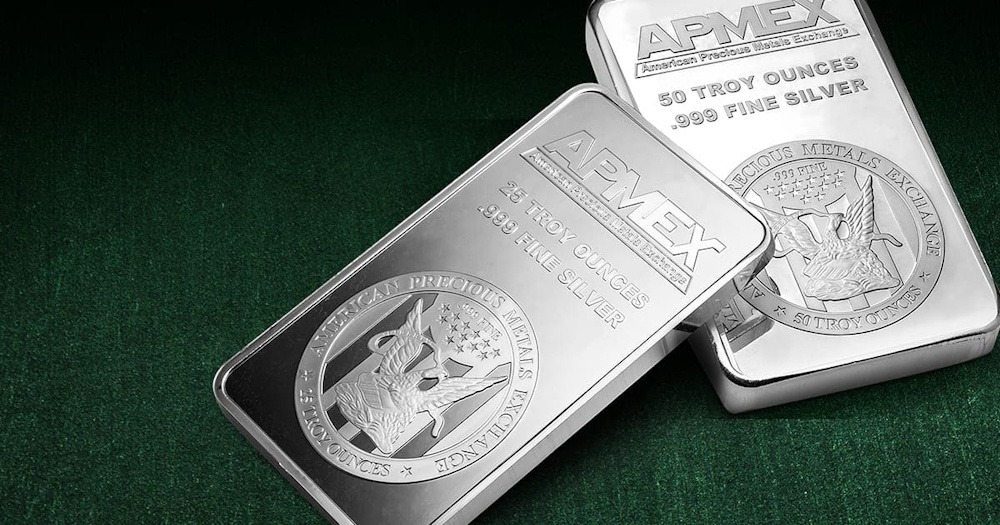
Silver increased by 1.6%, closing at Rs 243,768, buoyed by escalating geopolitical tensions and the uncertainty surrounding the tenuous U.S.–Iran ceasefire. A depreciating dollar further elevated prices, as markets scrutinized the sustainability of the truce. As the Strait of Hormuz remains closed and critical issues linger, market sentiment has shifted to a more cautious stance in light of new threats of escalation and reports indicating disruptions to oil tanker movements following regional attacks.
The macroeconomic landscape presents a mixed picture. The United States experienced a notable deceleration in economic growth, as the GDP for the fourth quarter of 2025 was revised downward to 0.5%, indicating a decline in momentum relative to the preceding quarter. Concurrently, inflation persists at elevated levels, as evidenced by the core PCE index increasing by 0.4% in February, thereby sustaining a 10-month peak.
However, it continues to demonstrate resilience, with private employers adding an average of 26,000 jobs per week in recent weeks. In the interim, silver reserves in London vaults experienced a reduction of 2.4%, totaling 27,065 tonnes, which suggests a constriction in physical supply.
From a technical perspective, the market is experiencing short covering, as open interest has decreased by 0.44% to 5,704, while prices have increased by Rs 3,850. Immediate support is positioned at Rs 237,885, with a breach below possibly leading to a decline in prices to Rs 232,005. On the upside, resistance is observed at Rs 246,895, and a sustained move above this threshold could propel silver toward Rs 250,025.