
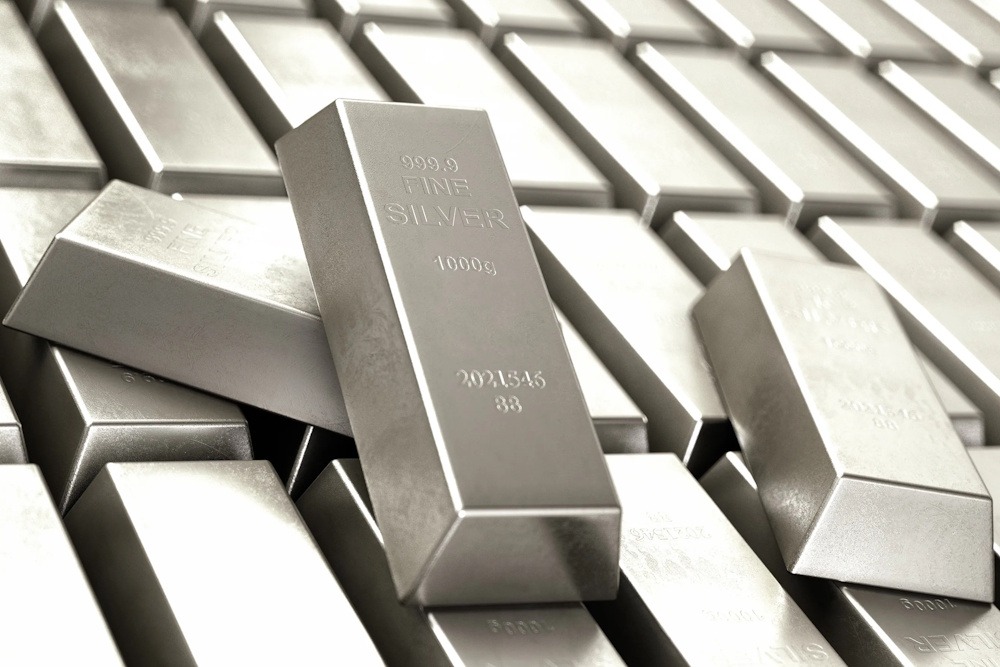
Silver prices decreased by 1.33%, closing at Rs 2,53,113, as market participants assessed the inflationary risks associated with the ongoing conflict in the Middle East and its potential effects on global monetary policy. Increasing energy costs have intensified inflationary pressures, diminishing the probability of imminent rate reductions. Simultaneously, the U.S. Federal Reserve is anticipated to maintain its current interest rates, while investors are closely monitoring forthcoming policy decisions from the ECB, Bank of England, and Bank of Japan.
Recent U.S. economic data presented a nuanced landscape. Hiring momentum exhibited indications of deceleration, as private employers contributed an average of merely 9,000 jobs per week over the four weeks concluding February 28, a decline from 14,750 in the preceding period, as reported. Nonetheless, industrial activity exhibited stability, as manufacturing output and industrial production both increased by 0.2% month-on-month in February, marginally surpassing expectations.
The physical silver market is experiencing a continued tightening on the supply side. Inventories on the Shanghai Futures Exchange have fallen to approximately 350 tonnes, marking their lowest point in nearly a decade, which underscores considerable supply constraints. In a similar vein, silver holdings in London vaults experienced a month-on-month decline of 2.4%, totaling 27,065 tonnes, indicative of persistent drawdowns in global stockpiles.
From a technical perspective, the market is experiencing renewed selling pressure, as evidenced by a 1.67% increase in open interest to 5,941 lots, alongside a price decline of Rs 3,419. Immediate support is identified at Rs 2,47,840, with a breach below this level likely to test Rs 2,42,570. On the upside, resistance is likely near Rs 2,60,640, and a move above could push prices toward Rs 2,68,170.