
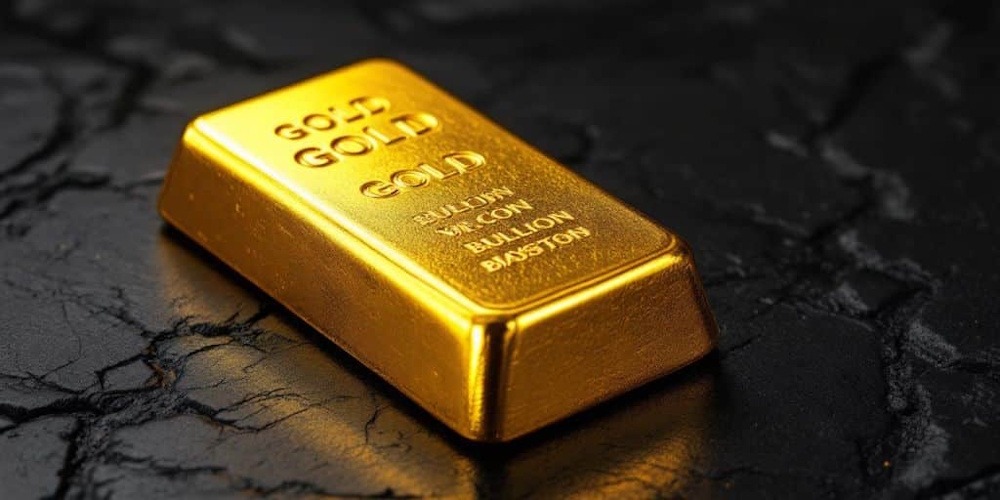
Gold prices declined by 0.52%, closing at Rs 1,53,152, as diminishing geopolitical tensions led to a decrease in safe-haven demand. Optimism surrounding a potential U.S.-Iran peace agreement, coupled with remarks from Donald Trump indicating that the conflict might be approaching resolution, exerted downward pressure on prices. The decline in oil prices has contributed to alleviating inflation worries, bolstering the outlook that the Federal Reserve might maintain current interest rates in the foreseeable future.
Nonetheless, the fundamental support for gold continues to be robust. U.S. inflation data indicated that prices are increasing at the most rapid rate observed in almost four years, thereby maintaining ambiguity regarding forthcoming rate decisions. Simultaneously, the demand from central banks remains a crucial support, as evidenced by China’s ongoing gold purchases, which have now reached the 17th consecutive month.
The World Gold Council reports that global central banks continued to be net buyers in early 2026, underscoring persistent institutional interest. Trends in physical demand exhibit a mixed pattern. In India, there has been a modest increase in buying interest as the festival season approaches, though high prices are constraining more assertive purchasing behavior. In contrast, China has experienced a decline in retail demand, as evidenced by the shrinking premiums.
The market is currently experiencing new selling pressure, as evidenced by a 2.73% increase in open interest. Gold exhibits immediate support at Rs 1,52,390, with potential further decline towards Rs 1,51,630. On the upside, resistance is observed at Rs 1,54,450, and a movement above this threshold could propel prices toward Rs 1,55,750.