
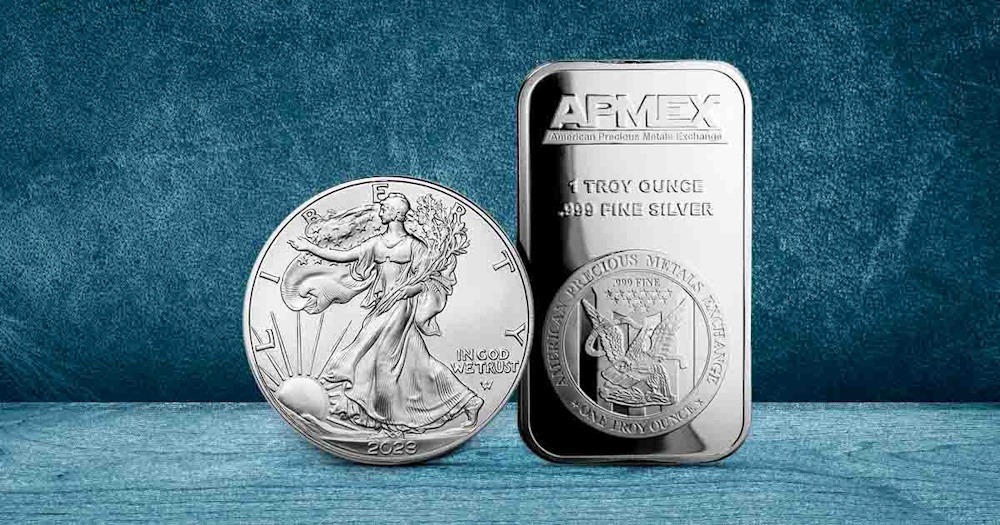
Silver increased by 0.38% to close at Rs 233,379, as market participants responded to news regarding a potential 45-day ceasefire involving the U.S., Iran, and regional mediators. While this raised hopes of alleviating geopolitical tensions, uncertainty remains following new warnings from U.S. President Donald Trump regarding the Strait of Hormuz, as Iran continues to resist and target energy infrastructure.
In light of the recent increase, silver continues to face significant downward pressure, having declined over 20% since the onset of the conflict. Increasing energy costs have heightened inflation worries and reduced anticipations of interest rate reductions, thereby constraining silver’s attractiveness. The metal has faced challenges in fulfilling its role as a safe haven, as investors have been compelled to liquidate positions to offset losses in other asset classes.
Meanwhile, robust U.S. economic indicators contributed to the cautious sentiment, with March nonfarm payrolls increasing by 178,000 and the unemployment rate declining to 4.3%, suggesting a stable labor market. On the supply side, silver holdings in London vaults decreased by 2.4% to 27,065 tonnes at the end of February, indicating a contraction in physical availability.
From a technical perspective, the market is experiencing new buying activity, as evidenced by a 0.6% increase in open interest, now standing at 5,819. Immediate support is identified at Rs 229,890, whereas resistance is positioned at Rs 236,630. A breakout above this level may drive prices towards Rs 239,880.