
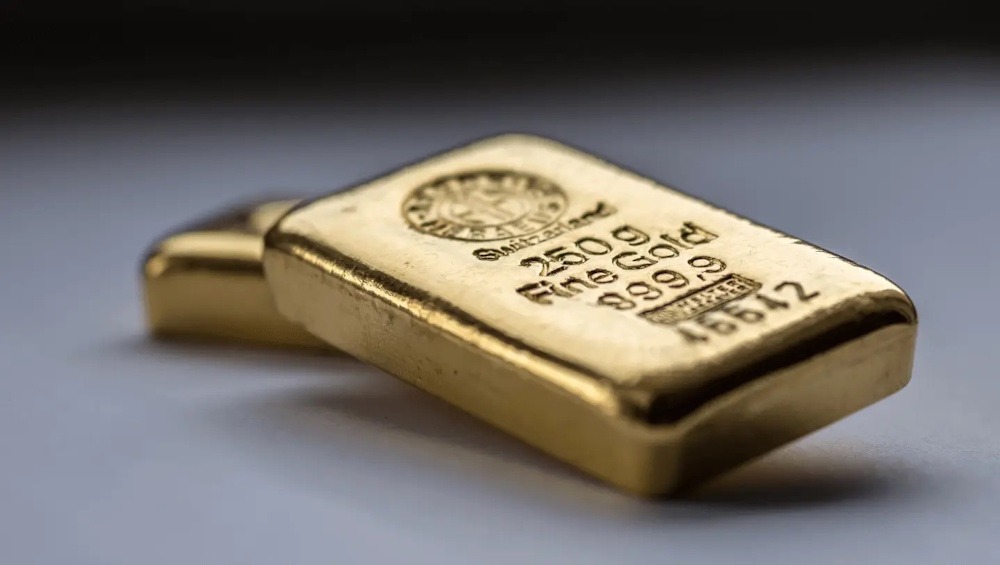
Gold prices settled down 1.17% at Rs 154,460, pressured by a hawkish shift in U.S. Federal Reserve expectations after Chair Kevin Warsh indicated that interest-rate hikes may be required if inflation fails to move convincingly toward the 2% target. Markets now see a 57% probability of a September Fed rate hike, up sharply from 36% before Warsh’s comments, strengthening the dollar and weighing on bullion. Meanwhile, upcoming U.S. labour-market data, including job openings, ADP employment, weekly jobless claims and nonfarm payrolls, could provide further clues on the Fed’s policy path and influence gold volatility.
Geopolitical tensions remain supportive, as U.S. forces struck two Iranian launchers on Iran’s Larak Island, marking the first known American strikes on Iran since late July. Despite the recent price weakness, speculative positioning remained firm, with CFTC data showing COMEX gold net long positions rising by 5,383 contracts to 151,315 contracts for the week ended August 25, the highest level in 11 months.
Physical demand, however, showed signs of weakness, particularly in India, where gold discounts widened sharply to as much as $135 per ounce from $65 previously, marking the deepest discount in three months amid speculation that the government may reverse its recent import-duty increase. China also reported discounts of $2–5 per ounce, while Singapore, Hong Kong and Japan traded close to global benchmark prices. London vault holdings increased 0.77% month-on-month to 9,464 tonnes at end-June 2026, valued at approximately $1.2 trillion.
Technically, the market remains under fresh selling pressure, with open interest rising 5.65% to 11,637 contracts while prices declined Rs 1,821, indicating additional short positioning. Gold has immediate support at Rs 153,575, and a break below this level could trigger further weakness toward Rs 152,695. On the upside, resistance is placed at Rs 155,400, while a sustained move above this level could open the way toward Rs 156,345.