
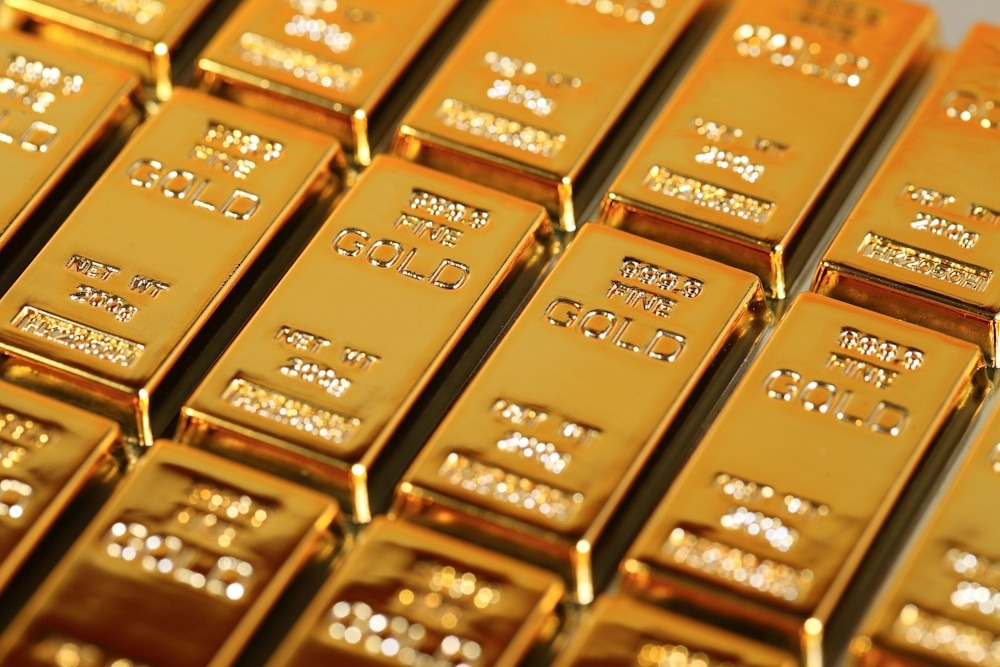
Gold prices exhibited minimal movement in the international market on Friday; however, the yellow metal is poised to register a weekly decline of nearly 2%. This development follows a brief surge in oil prices to $126 per barrel, heightening concerns about inflation and solidifying anticipations of prolonged higher interest rates. Spot gold prices remained stable at approximately $4,620 per ounce on Friday morning. Gold futures in the United States for June delivery increased by 0.1%, reaching a price of $4,632.70. This development followed a decline in gold prices, which reached a one-month low on Wednesday.
It is worth noting that MCX is closed during the morning session today due to the observance of Maharashtra Day. On Thursday, gold futures set to expire in June concluded the trading session approximately Rs 114 higher, reaching Rs 1,51,225 per 10 grams. The contracts with August expiry concluded slightly elevated at Rs 1,54,390 per 10 grams. After reaching a peak of $126 per barrel on Thursday, oil prices moderated but remained elevated above $110 per barrel today. The ongoing conflict between Iran and the US has now reached its third month, with the Strait of Hormuz remaining congested, thereby maintaining a state of unease among investors. US President Donald Trump stated that the military blockade of Iranian ports may endure for several months.
A report referencing officials, suggested that the US President could be considering a new wave of military strikes aimed at pressuring Iran to engage in negotiations to resolve the conflict. Iran, in turn, indicated that it would retaliate with “long and painful strikes” on US positions should Washington resume its attacks. Esmaeil Baghaei, spokesman for the Iranian Foreign Ministry, remarked that it is unreasonable to anticipate swift outcomes from discussions with the United States, as reported. “In my view, anticipating a swift outcome, irrespective of the mediator involved, lacks realism,” he stated. “In the near term, gold is expected to remain volatile and range-bound, with support near Rs 1,48,000 and resistance around Rs 1,52,000,” stated Jateen Trivedi.
Gold prices declined while oil prices increased, indicating that the market is more concerned about rising inflation and a possible response from central banks than about the risks associated with growth, according to Carsten Menke. “Such short-term and occasionally pronounced fluctuations generally reflect changes in the paper market rather than the physical market. “They are the result of position squaring by speculative futures traders and trend followers, not safe-haven seekers,” he stated. Deutsche Bank, Germany’s prominent international investment bank, has recently forecasted that the proportion of bullion in global central bank reserves may rise to 40%, an increase from the current level of approximately 30%. In this scenario, the bank’s analysis suggests that gold prices may reach $8,000 per ounce within a five-year horizon, indicating a potential upside of nearly 80% from current levels.